Blog ·
Landing Page Optimization: Why One Page Should Have 10 Angles
Most landing pages say one thing to everyone. The visitor from a price ad and the visitor from a 'fast setup' ad want different words. Angles fix that.
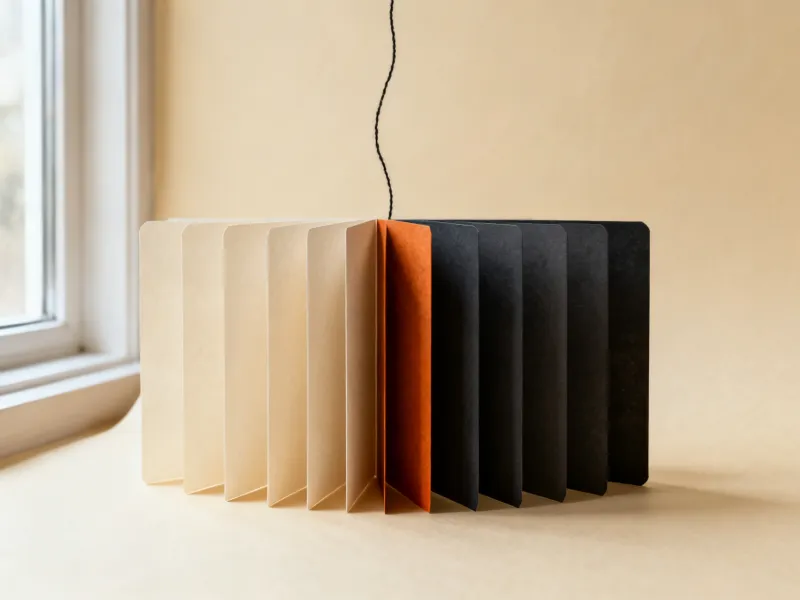
Landing page optimization sounds technical, but the idea is simple: change the page so more visitors do the thing you want, and let real visitor behavior decide what to change. The trouble is that most pages only ever say one thing.
What is landing page optimization?
It is the cycle of building a page, measuring how visitors use it, and changing it based on what you learn. Done well, it never really stops. Ads change, offers change, and the page should keep up.
Most optimization only tests small things like button colors. The bigger lever is the message itself.
Why one message can't sell to everyone
Picture three people landing on the same page:
- One clicked an ad about price. They want to know it is affordable.
- One clicked an ad about speed. They want to know it is fast to set up.
- One came from an email about trust. They want proof it works.
A single headline can only speak to one of them. The other two have to scroll and hope. Many don't.
What is a landing page angle?
An angle is one reason someone would buy, turned into a headline and a message. Same product, same offer, different way in. We build every landing page with ten angles, and each visitor sees the one that matches the ad, email or link that sent them. That keeps the promise in the ad and the words on the page the same, which is the whole point of a landing page.
How testing should work at small-business traffic
The classic method is an A/B test: split visitors 50/50 and wait for a winner. The problem is waiting. A page with modest traffic can take months to reach a clear answer, and by then the ad sending the traffic has often changed.
A better fit is Thompson sampling. Instead of a fixed split, it sends more visitors to whichever version is more likely to be winning, and keeps updating as data arrives. A clear winner starts taking most of the traffic within days, while close races keep being tested.
What to measure on a landing page
- Unique visitors and conversions, counted by person, not by clicks, so one busy visitor doesn't skew the numbers
- Which sections get read and which get skipped, so you know which part of the page is doing the work
- Where people click, with a heatmap to catch clicks on things that aren't links
- Results per angle, so you know which reason to buy actually works
We run this for you. 10 landing pages, 10 angles each, monitored and changed every month. You can see every page, angle and number any time.
See Landing Page BuildersA simple monthly routine
- Check which angles are taking the most traffic and why.
- Replace the weakest angle with a new one.
- Rewrite the section most people skip.
- Make sure every ad and email still points at its matching angle.
- Write down what you expect to happen, then check it next month.
It is not complicated. It just has to happen every month, and that is where most pages fall behind. If you want a team on it, grab a time on our calendar.
Common questions
What is landing page optimization?
Landing page optimization is the ongoing work of changing a page so more of its visitors take the action you want, based on how real visitors use it.
What is a landing page angle?
An angle is one reason someone would buy, written as the page's headline and message. A price angle, a speed angle and a trust angle can all sell the same product.
How long does landing page testing take?
A classic 50/50 split test on a small page can take months to reach a clear result. Methods like Thompson sampling move traffic toward the better version as the data comes in, so a clear winner shows up much sooner.